10.9.2026
Who Pays to Tear Out Your Build-Out When the Lease Ends?
This is the default text value
This is the default text value
This is the default text value
,
This is the default text value
This is the default text value
Lorem ipsum dolor sit amet, consectetur adipiscing elit. Suspendisse varius enim in eros elementum tristique. Duis cursus, mi quis viverra ornare, eros dolor interdum nulla, ut commodo diam libero vitae erat.
Default Button Text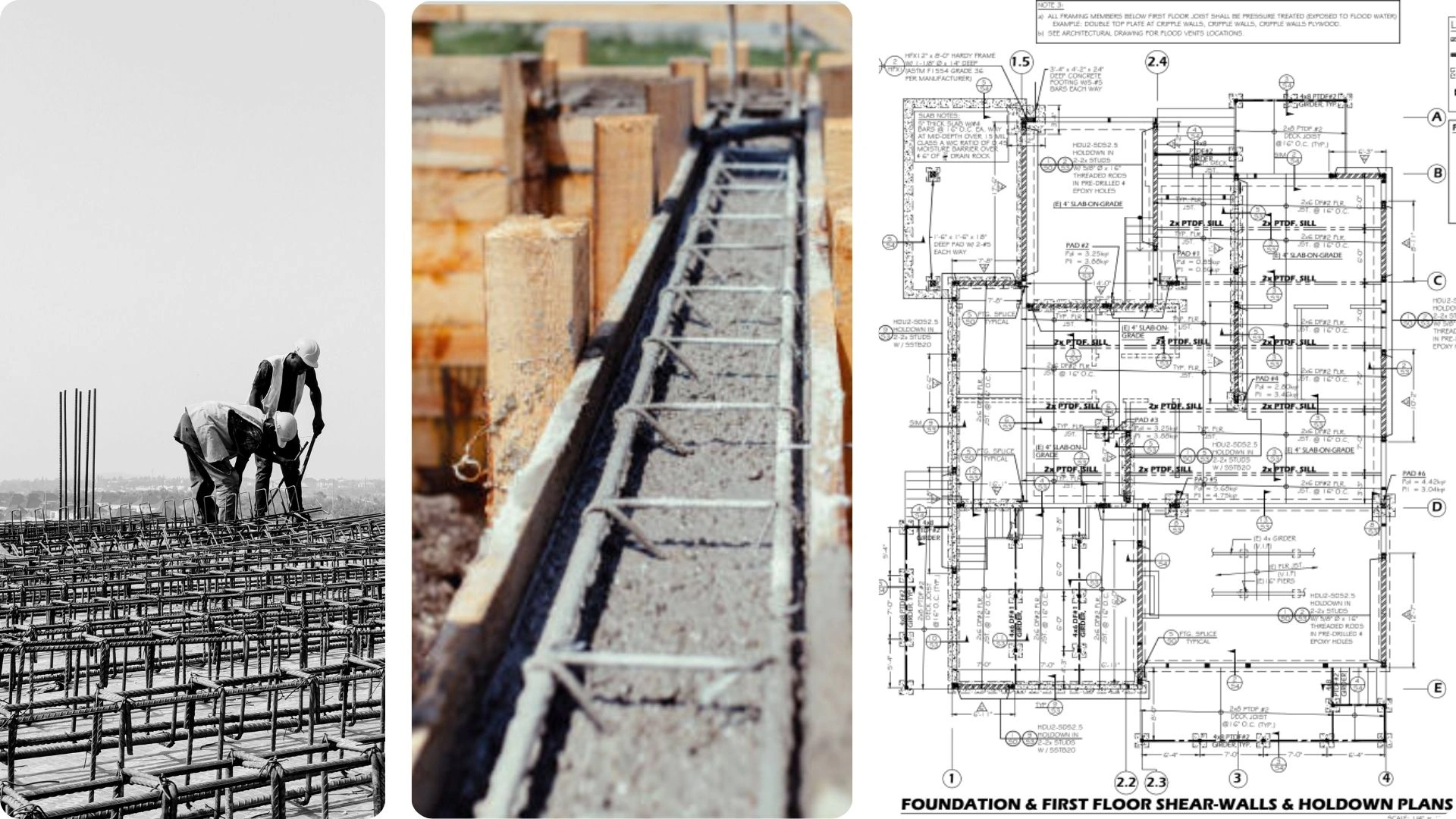
If you are planning a house addition, attached ADU, detached ADU, or a major entire house remodeling project, the foundation inspection is one of the first and most important inspections in the entire construction process.
This is the stage where the city checks the structural base of the project before concrete is poured. Once the concrete is placed, many of the most important items are no longer visible. That is why the foundation inspection matters so much. It helps confirm that the project is starting in the right place, with the right footing size, reinforcement, anchor bolts, hold-downs, and other structural components before they are permanently covered. In California, the current statewide code set is the 2025 California Building Standards Code (Title 24), effective January 1, 2026, and local jurisdictions may adopt amendments when they are reasonably necessary because of local climatic, geological, or topographical conditions.
At Global Arch Construction, we are a design-build company, which means we help guide the project from design and planning to permits, construction, inspections, and final approval. Whether the project is a house addition, structural remodeling, attached ADU, or detached ADU, the foundation stage has to be prepared correctly from the beginning.
A foundation inspection is the city’s review of the foundation work before concrete is poured.
At this stage, the inspector may review:
For homeowners, this may sound highly technical, but the reason is simple: if a mistake happens at the foundation stage and concrete is poured over it, the correction is usually expensive, time-consuming, and disruptive.
The exact checklist depends on the city, the plans, and the project type, but local California inspection guides commonly show the same basic structural logic.
The inspector may verify that the forms are in the correct location and that the project matches the approved layout. This can include setbacks, easements, and general placement on the lot. Some local guides specifically note setbacks, property lines, easements, and proximity to slopes as part of this stage.
This is especially important for house additions and detached ADUs, where exact placement on the property matters.
The city may review footing width, depth, and excavation conditions to confirm that the work matches the approved structural requirements. Local guides commonly call for footing size, pier size, forms free of soil and debris, and confirmation that soils-report requirements have been met before the pour.
Rebar is one of the most important parts of this inspection. The city may check size, placement, support, spacing, and clearance before the concrete is placed. Local field guides also note things like minimum clearance from earth and splice lap requirements.
Hold-downs and anchor bolts are critical for anchorage and load transfer. They connect the framing above to the foundation below and help the structure resist movement properly. Local field guides specifically call for checking hold-down size and location, as well as anchor bolt spacing, size, and embedment.
If the project includes a soils report or geotechnical recommendations, the inspector may want confirmation that those requirements have been followed before approving the foundation stage. Local inspection information states that the first inspection may verify all soils-report requirements have been met.
If the project is in a flood zone, local California inspection guides show that an Elevation Certificate may be required at forms or foundation inspection and again at final.
The foundation is not just concrete in the ground. It is the structural base that supports everything above it.
If the footing is too small, the reinforcing steel is misplaced, the anchor bolts are not where they should be, or the hold-downs are missing or installed incorrectly, the structure may not perform the way it was designed to perform. This matters on every project, but especially on:
A project can look beautiful when it is finished, but if the foundation work was wrong, the long-term structural performance of the building can be affected.
When homeowners hear “inspection,” they often think only about passing or failing. But the real issue is what can happen if the work is wrong and no one catches it in time.
Problems at this stage can lead to:
For a homeowner, that can mean added cost, added time, and unnecessary stress.
A house addition, attached ADU, detached ADU, or major entire house remodeling project often involves more than just new walls and finishes. It may include new foundations, structural tie-ins, new load paths, and coordination between new and existing construction.
That means the foundation must work not only by itself, but as part of the whole project.
This is especially important when the work involves:
If the foundation stage is not handled properly, problems can carry into framing, shear, utilities, and final approval.
At Global Arch Construction, we work on real residential and commercial projects across Northern California where code compliance and inspections are part of the construction process from the beginning.
Completed residential projects: a whole-home remodel with an attached two-story ADU in Mill Valley, a hillside home renovation with a second-story addition in San Rafael, a full-scale home renovation with a two-story expansion in Corte Madera, and a historic duplex renovation with plumbing, electrical, and framing upgrades in San Francisco.
Commercial work includes a Mexican restaurant build-out in San Francisco, targeted apartment renovations in Walnut Creek, a chiropractic clinic conversion in San Francisco, and a campus improvement project in Hayward.
As a design-build contractor, Global Arch Construction helps homeowners and property owners plan for those realities early, before the concrete stage, not after.
For homeowners, the foundation inspection should be seen as protection, not as a delay.
It helps confirm that:
That is a big part of building the project the right way from the start.
If you are planning a house addition, attached ADU, detached ADU, bathroom remodeling, kitchen remodeling, or entire house remodeling project contact Global Arch Construction today to discuss your design and construction needs.
From residential remodeling to commercial construction