9.11.2026
What Your Lease Already Decided About Your Build-Out
This is the default text value
This is the default text value
This is the default text value
,
This is the default text value
This is the default text value
Lorem ipsum dolor sit amet, consectetur adipiscing elit. Suspendisse varius enim in eros elementum tristique. Duis cursus, mi quis viverra ornare, eros dolor interdum nulla, ut commodo diam libero vitae erat.
Default Button Text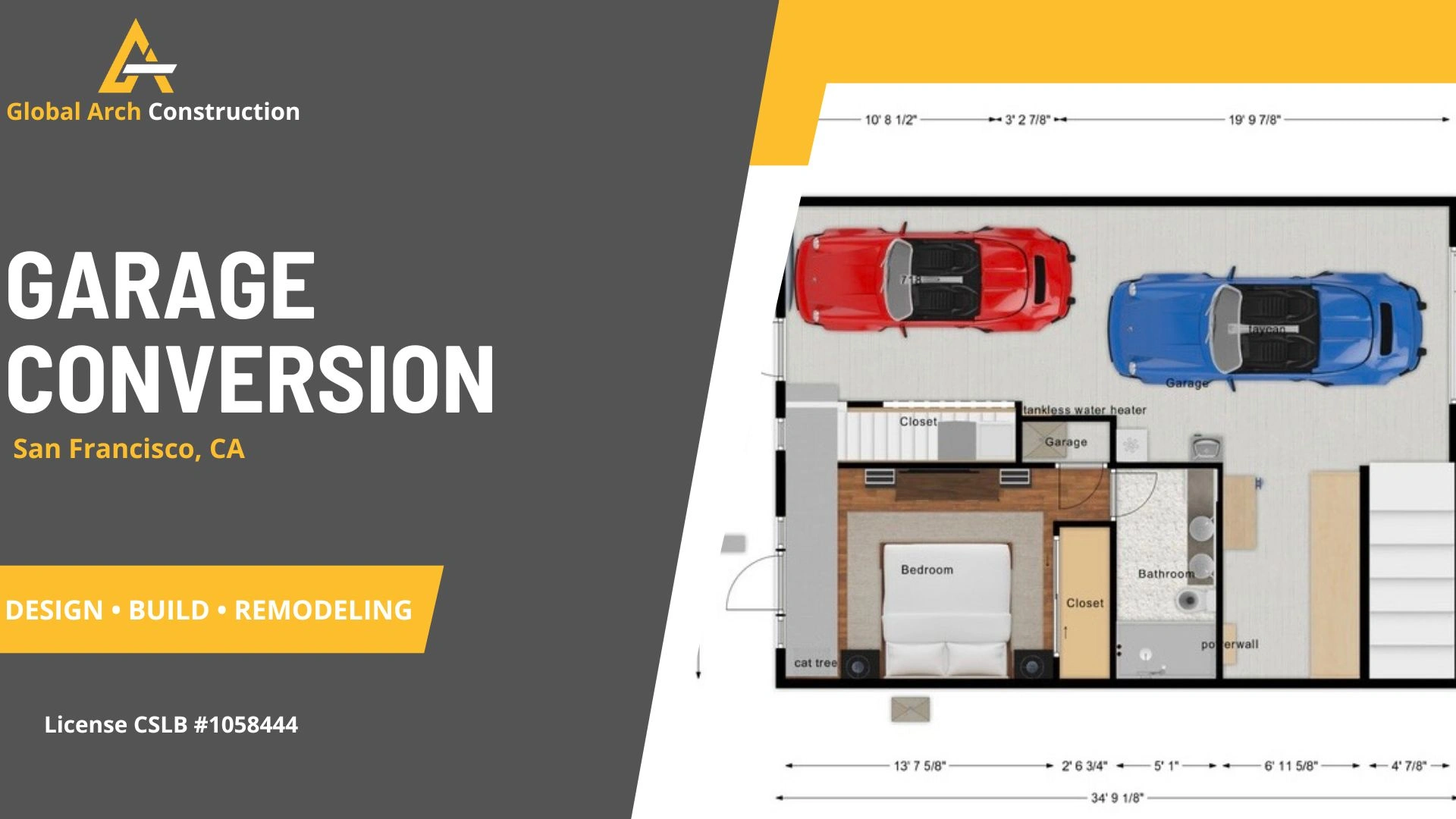
In San Francisco, every square foot matters. With limited lot sizes, strict zoning, and sky-high property values, homeowners are increasingly looking inward—not outward—for more space. One of the smartest ways to maximize your home’s footprint? Converting your garage into a beautiful new bedroom and bathroom suite.
That’s exactly what we’re doing in our latest project—a 253 sq. ft. ground-floor bedroom addition in San Francisco. Located in a classic home built in 1949, this garage wasn’t doing much besides storing boxes and outdated appliances. So, we’re transforming it into a cozy, modern space that blends function with comfort—all while working within San Francisco’s unique building codes and structural limitations.
From excavation to electrical upgrades, and from tankless water heater installation to careful planning for hidden conditions—this project is a great example of how smart design and expert construction can breathe new life into old space.
Let’s be honest—housing in San Francisco is tight. Whether you're a growing family, working from home, or simply want to add value to your property, turning unused garage space into livable square footage is one of the best investments you can make.
Here’s why garage conversions are booming across the city:
In a place like San Francisco—where permitting, construction, and zoning are famously complicated—garage conversions allow you to stay within the existing building envelope. That means faster approval, fewer neighbor disputes, and less complexity with the city.
Plus, converting a garage into a bedroom and bathroom makes your home more functional for today’s lifestyle: hybrid work, multigenerational households, and growing families who need every inch of usable space.
This San Francisco project is a perfect case study of smart home transformation. We were hired to convert part of an existing garage into a comfortable, fully finished bedroom and bathroom, totaling 253 square feet of new livable space.
But that’s just the surface. Here’s what made this project so interesting:
This isn’t a DIY garage makeover. It’s a fully permitted, code-compliant transformation that brings modern convenience to a mid-century home.
The success of any remodeling project starts long before the first hammer swings—it starts with the design. For this build, we partnered closely with the homeowners to design a space that would not only look beautiful but also function efficiently and add long-term value.
Key design priorities included:
Using 2D architectural drawings and visualizations, we helped the homeowners see the final layout before construction began. This gave them confidence in the design decisions—and also helped us spot potential issues before submitting plans to the city.
Good design is about much more than aesthetics—it’s about smart space planning, budget alignment, and staying compliant with San Francisco codes from day one.
One of the trickiest parts of any project in San Francisco? Navigating the permit process.
We made sure every design element—from ceiling height to egress windows to fire separation—complied with local codes and zoning regulations. Garage conversions fall under a unique category in San Francisco, especially if you’re not converting the entire garage.
That’s why we:
The result? We received our permit in just 5 months, which is remarkably fast for any room addition in San Francisco.
This was possible because we handled everything in-house—from design and structural engineering to permit submittals and revisions.
It’s no secret—getting permits in San Francisco can take forever. Between neighborhood input, zoning reviews, and multiple departments weighing in, even simple projects can get stuck in bureaucratic limbo.
But thanks to our proactive approach, we took this project from first sketch to permit approval in just 5 months. That’s lightning-fast in San Francisco standards.
How did we do it?
Speed and accuracy in permitting are just as important as the actual build. Without it, projects can stall before they even start.
One of the biggest structural challenges of this project? The garage ceiling height was too low for habitable living space.
So, what did we do? We excavated the existing garage slab to gain the required 8 feet of ceiling height. That’s no small task.
Here’s how it worked:
Excavation is messy, noisy, and time-consuming—but it’s essential if you want to convert a non-habitable garage into a safe, code-compliant living space.
And let’s be honest—low ceilings kill resale value. This step ensures that this new bedroom won’t feel like an afterthought. Instead, it will feel just as comfortable and spacious as any other room in the house.
Most garages in older San Francisco homes weren’t built with livability in mind. They have:
That’s why excavating and replacing the slab is often the most important (and most overlooked) part of garage conversions.
Without excavation, this garage-turned-bedroom would have had less than 7 feet of ceiling height. That’s a code violation—and more importantly, it just doesn’t feel good. You want the space to be bright, breathable, and open—not cramped and dark.
By digging down and installing a brand new concrete slab, we made sure the new room:
This is the kind of work that separates a DIY garage conversion from a professional-grade room addition.
During demolition, we discovered that the existing laundry area was right in the middle of the new bedroom footprint. Not ideal.
So, we worked with the homeowners to relocate the laundry area to a better location, preserving function without sacrificing the design.
This included:
It’s one of those things that seems small but makes a big difference. Having the laundry tucked away (and not in your bedroom!) is key to creating a space that’s both functional and relaxing.
Old homes often have bulky, inefficient water heaters that take up tons of space—and this home was no different.
As part of the remodel, we removed the old water heater and installed a brand new tankless unit. Not only is it more energy-efficient, but it also frees up square footage that can be used for storage or living space.
Benefits of going tankless:
This upgrade was a no-brainer and fits perfectly with the modern, efficient vibe of the new addition.
As we reworked the garage, we also needed to access and reroute plumbing that connected to the backyard. That meant demolishing and pouring a new concrete slab in the rear yard.
This served multiple purposes:
Even though it’s outside the house, backyard slab work is crucial to ensure the plumbing and waterproofing work long-term. No shortcuts here.
Let’s talk about the wiring. This house was built in the 1940s—and it showed. Old electrical lines, outdated materials, and insufficient load capacity were major red flags.
So we rewired the entire garage area, and beyond:
Older homes require careful electrical planning. One bad connection, and you're dealing with a fire hazard or overloaded panel.
Speaking of panels—the existing one was outdated and not up to the task of powering the new addition. We upgraded the electrical panel to 200 AMP, ensuring enough capacity for:
This panel upgrade brings the home’s electrical infrastructure into the 21st century, ensuring safety and energy efficiency.
With old homes, you never know what you’ll find behind the walls. In this project, we had to deal with:
That’s why we always budget time and resources for “hidden conditions.” When we find them, we fix them—the right way, not the fast way.
We love building in San Francisco. Sure, the codes are strict, and the lots are tricky—but the homes have character. History. Personality.
This garage conversion isn’t just a project—it’s a partnership with homeowners who love their neighborhood, love their home, and just needed a bit more space.
And we’re proud to make that happen.
We’re in the active construction phase now, and while we can’t guarantee an exact finish date—old homes always hold surprises—we’re on track and moving fast.
As we move forward, we’re focusing on:
If you’ve been dreaming of adding space, increasing value, or just making your San Francisco home work better for your lifestyle—a garage conversion might be the answer. With the right team, smart planning, and quality construction, your dusty garage can become your new favorite room in the house.
We’re proud of the work we’re doing on this project—and we’re excited to keep sharing progress as it moves toward completion.
1. How long does it take to convert a garage in San Francisco?
Typically 6–9 months, including design, permitting, and construction. This project took 5 months to permit—a quick turnaround!
2. Do I need a permit to convert my garage?
Yes. In San Francisco, any conversion from non-habitable to habitable space requires full city permits and code compliance.
3. Can I turn my garage into a legal rental (ADU)?
Possibly! With added features like a kitchen and separate entrance, your converted garage could qualify as an ADU.
4. How much does a garage-to-bedroom conversion cost?
Costs vary based on size, age of the home, and complexity, but expect anywhere from $80,000 to $150,000+.
5. Is it worth it to excavate the garage floor for more ceiling height?
Absolutely. It increases livability, complies with code, and boosts resale value.
From residential remodeling to commercial construction